
Sustainable Pest Control: Green Pest Control Solutions for Your Home

Keeping your home pest-free is important, but doing it in a way that protects your family and the environment is even better. We all want a safe, healthy space to live in, and that’s why sustainable pest control is becoming a popular choice. It’s about managing pests effectively while using methods that are eco-friendly and safe for everyone around. Let’s explore how you can protect your home with green pest control solutions that work.
Why Choose Sustainable Pest Control?
Sustainable pest control focuses on reducing harm to the environment and minimizing chemical use. Instead of relying on harsh pesticides, it uses natural or less toxic methods to keep pests away. This approach benefits your home and the planet in several ways:
Protects your family’s health by avoiding exposure to dangerous chemicals.
Preserves beneficial insects like bees and ladybugs that help your garden.
Reduces pollution by limiting chemical runoff into soil and water.
Supports long-term pest management by preventing resistance to pesticides.
When you choose sustainable pest control, you’re making a smart decision that balances pest management with environmental care. It’s a win-win for your home and the world around you.
How to Implement Sustainable Pest Control at Home
You don’t need to be an expert to start using sustainable pest control methods. Here are some practical steps you can take right now:
1. Keep Your Home Clean and Dry
Pests like cockroaches, ants, and rodents are attracted to food crumbs, spills, and moisture. Regular cleaning and fixing leaks can make your home less inviting to them.
Wipe down counters and sweep floors daily.
Store food in sealed containers.
Fix dripping faucets and pipes.
Use dehumidifiers in damp areas like basements.
2. Seal Entry Points
Pests often sneak in through cracks and gaps around doors, windows, and foundations. Inspect your home and seal these openings with caulk or weather stripping.
Check window screens for holes.
Install door sweeps to block gaps under doors.
Repair damaged vents and chimney openings.
3. Use Natural Repellents
Certain plants and natural oils repel pests without harming your family or pets. Consider adding these to your home and garden:
Peppermint oil to deter spiders and ants.
Lavender to keep moths away.
Basil and marigolds to repel mosquitoes and flies.
You can make simple sprays by mixing essential oils with water and spraying around entry points.
4. Introduce Beneficial Insects
Ladybugs, praying mantises, and certain types of wasps prey on harmful pests. Encouraging these natural predators in your garden helps keep pest populations under control.
Plant flowers that attract beneficial insects.
Avoid broad-spectrum insecticides that kill helpful bugs.
5. Use Eco-Friendly Traps and Baits
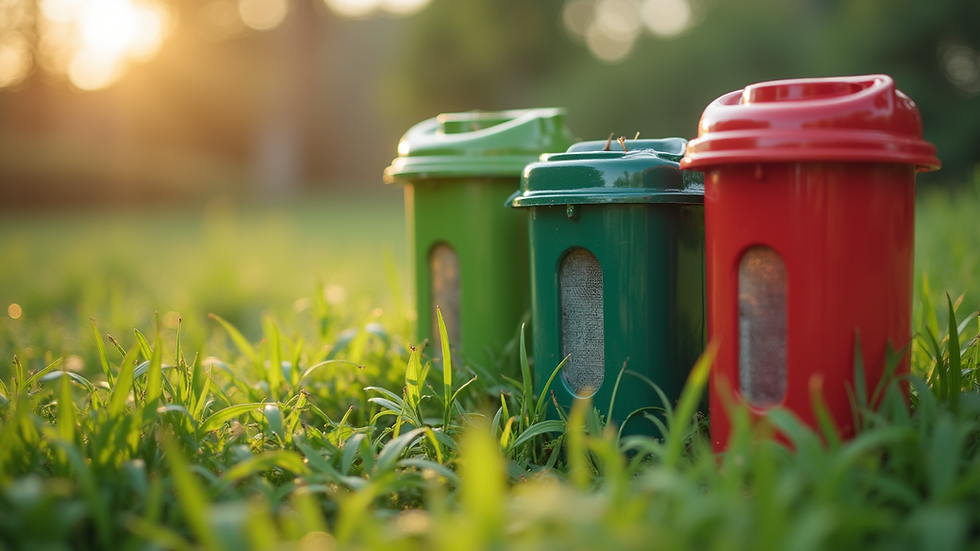
Instead of chemical sprays, opt for traps and baits that target specific pests. For example, sticky traps for flies or bait stations for ants can reduce pest numbers without widespread chemical use.
The Benefits of Choosing Green Pest Control Solutions
When you opt for green pest control solutions, you’re choosing a method that aligns with your values and lifestyle. Here’s what you gain:
Peace of mind knowing your family and pets are safe from toxic chemicals.
Long-lasting results because sustainable methods focus on prevention and habitat management.
Environmental responsibility by reducing your carbon footprint and protecting local wildlife.
Cost savings over time, as prevention reduces the need for repeated treatments.
These benefits make green pest control a smart choice for anyone who cares about their home and the planet.
Common Sustainable Pest Control Techniques Explained
Let’s break down some of the most effective sustainable pest control techniques so you can understand how they work and why they’re safe.
Integrated Pest Management (IPM)
IPM is a strategy that combines different methods to manage pests with minimal harm. It includes:
Monitoring pest levels regularly.
Using physical barriers like screens and traps.
Applying natural predators.
Resorting to chemical treatments only as a last option, and using the least toxic products.
Biological Control
This method uses living organisms to control pests. For example, releasing ladybugs to eat aphids or nematodes to attack soil-dwelling pests. It’s a natural way to keep pest populations in check without chemicals.
Botanical Pesticides
Derived from plants, these pesticides break down quickly and are less harmful than synthetic chemicals. Examples include neem oil and pyrethrin. They target pests but are safer for humans and pets.
Mechanical Control
This involves physically removing pests or blocking their access. Examples include hand-picking insects, using traps, or installing barriers like mesh screens.

Taking Action: How to Start Today
You don’t have to wait to make your home safer and greener. Here’s a simple plan to get started with sustainable pest control:
Inspect your home for signs of pests and entry points.
Clean and declutter to remove food and hiding spots.
Seal cracks and gaps around doors, windows, and foundations.
Plant pest-repelling herbs in your garden or near entrances.
Set up natural traps and use essential oil sprays.
Monitor pest activity and adjust your methods as needed.
If you want professional help, look for pest control services that specialize in eco-friendly methods. They can tailor a plan that fits your home and lifestyle.
Embracing a Healthier, Pest-Free Home
Choosing sustainable pest control is more than just a trend. It’s a commitment to protecting your home, your loved ones, and the environment. By using natural methods and smart prevention, you can keep pests at bay without harmful chemicals. Together, we can create safer spaces that last for generations.
If you want to learn more about how to protect your home with green pest control solutions, visit Better Pest Control’s website for expert advice and services tailored to the greater Wilmington, North Carolina area. Let’s work together to keep your home pest-free and eco-friendly all year round.


Comments