
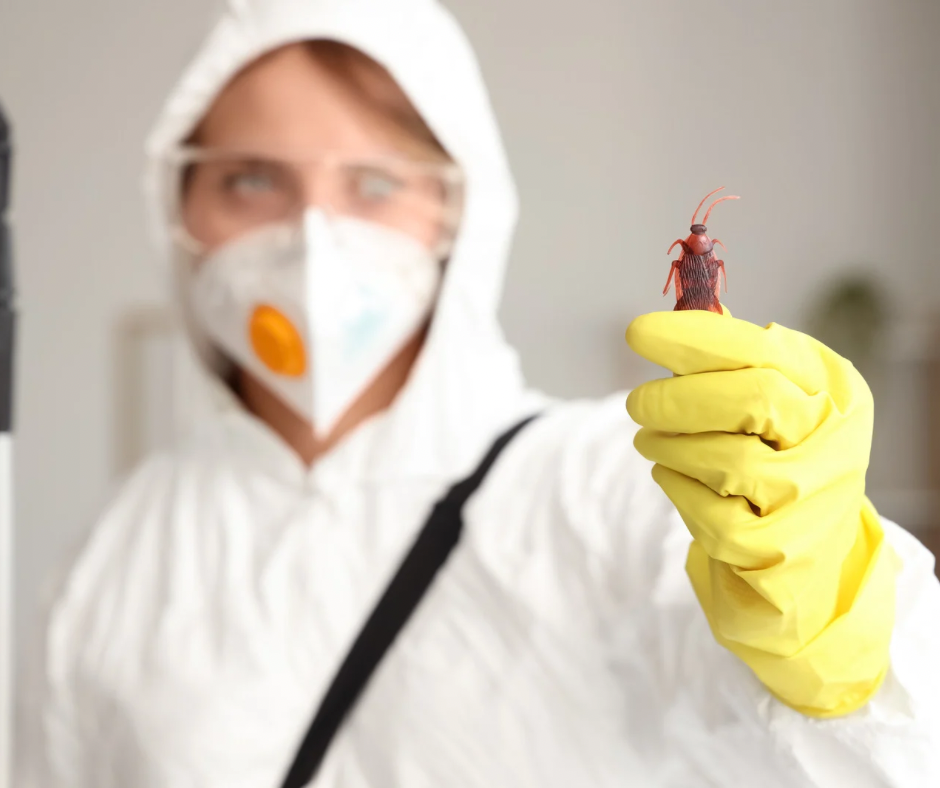
The Importance of Pest Control in North Carolina

Updated: Apr 6
Why Pest Control Matters for Public Health
1. Disease Transmission
Many pests are carriers of diseases that can directly affect human health. For instance, rodents can transmit hantavirus, leptospirosis, and salmonella through their droppings and urine. Similarly, mosquitoes are known vectors for diseases such as West Nile virus and Zika virus.
Effective pest control reduces the likelihood of disease-carrying pests establishing themselves in residential and commercial areas. This is crucial for maintaining a healthy environment for everyone.
2. Allergen Exposure
Certain pests, like cockroaches and dust mites, can exacerbate allergies and asthma symptoms. Cockroach droppings, saliva, and shed skins contain allergens that can trigger allergic reactions in sensitive individuals.
Regular pest management helps minimize exposure to these allergens, promoting healthier indoor environments. This is especially important for families with children or individuals with respiratory issues.
3. Food Safety
Rodents and insects can contaminate food supplies through their droppings, urine, and physical contact. This contamination poses serious health risks and can lead to foodborne illnesses.
Pest control measures help protect food storage areas, restaurants, and food processing facilities from infestations, ensuring food safety for consumers. By keeping pests at bay, we can enjoy peace of mind when it comes to our meals.
4. Economic Impact
Pest infestations can have significant economic consequences for businesses and communities. Public health issues arising from pests can lead to increased healthcare costs, reduced productivity, and damage to property and reputation.
Investing in effective pest management helps businesses maintain a healthy environment for employees and customers, ultimately supporting economic stability. A pest-free environment fosters trust and satisfaction among clients.
Common Pests and Their Health Risks
1. Rodents
Common species: House mice, Norway rats, and roof rats.
Health risks: Rodents can carry diseases such as hantavirus, lymphocytic choriomeningitis (LCMV), and salmonella. They can also cause damage to electrical wiring and insulation, increasing the risk of fire hazards.
2. Cockroaches
Health risks: Cockroach droppings and body parts can trigger asthma and allergies, especially in children. They can also spread pathogens that lead to foodborne illnesses.
3. Mosquitoes
Health risks: Mosquitoes are carriers of various viruses, including West Nile virus and Eastern equine encephalitis (EEE). Their bites can cause discomfort and allergic reactions as well.
4. Ticks
Health risks: Ticks can transmit Lyme disease and Rocky Mountain spotted fever. These diseases can lead to severe health issues if left untreated.
5. Bedbugs
Health risks: While bedbugs do not transmit diseases, their bites can cause discomfort, sleep disturbances, and significant psychological distress.
Importance of Effective Pest Management
1. Preventive Measures
Implementing preventive pest control measures is key to limiting infestations. This includes regular inspections, sealing entry points, and maintaining cleanliness in residential and public spaces.
By taking these steps, we can create an environment that is less inviting to pests.
2. Education and Awareness
Educating the public about pest identification, the risks associated with pests, and effective prevention strategies is vital. Community outreach and educational programs can empower residents to take proactive measures against pests.
Knowledge is a powerful tool in the fight against infestations.
3. Professional Pest Control Services
Hiring licensed pest control professionals ensures that effective and safe pest management strategies are employed. Professionals are trained to identify pests, assess infestations, and execute treatment plans while adhering to safety regulations.
Working with experts allows us to address pest problems efficiently and safely.
4. Integrated Pest Management (IPM)
The Integrated Pest Management (IPM) approach combines various strategies—monitoring, prevention, and targeted treatment—to manage pests effectively while minimizing environmental impact. This holistic approach contributes to long-term pest control success and public health protection.
By using IPM, we can achieve a balance between pest control and environmental safety.
Conclusion
In North Carolina, pest control plays a vital role in maintaining public health. By mitigating the risks associated with pest infestations, reducing disease transmission, and promoting food safety, effective pest management contributes to healthier communities.
Homeowners, businesses, and public health officials must work together to prioritize pest control efforts and raise awareness about the importance of prevention. Investing in these initiatives is essential for safeguarding public health and enhancing the quality of life for all residents in North Carolina.
If you suspect a pest problem or need assistance, don’t hesitate to reach out to a licensed pest control professional to help protect your home and community. Remember, a proactive approach to pest management is key to ensuring a safe and healthy environment for everyone.
For more information on eco-friendly pest management solutions, visit Better Pest Control.


Comments