
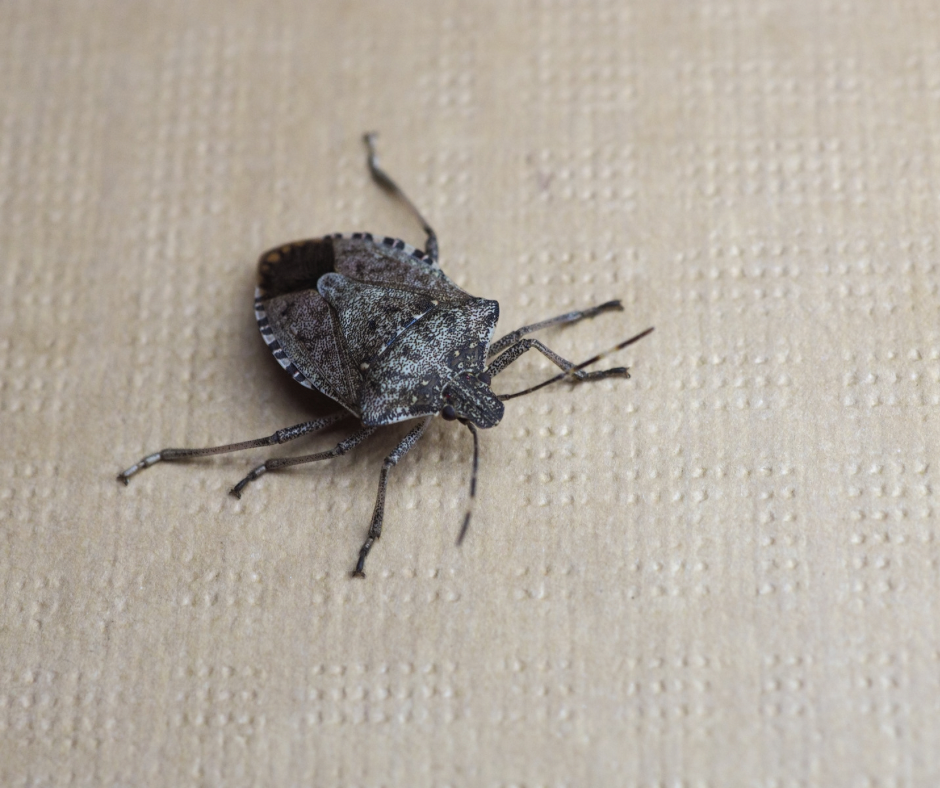
The Lifecycles of Stink Bugs: Recognizing and Preventing Infestations

Stink bugs are notorious for their unpleasant odor when disturbed and their potential to damage crops and gardens. Understanding the lifecycle of stink bugs is essential for effective prevention and control. In this blog, we will explore the different stages of stink bugs, how to identify them, signs of infestation, and the best prevention strategies for homeowners.
What Are Stink Bugs?
Stink bugs, primarily belonging to the family Pentatomidae, are recognizable by their shield-like shape and distinctive odor. The most common species in North America is the brown marmorated stink bug (Halyomorpha halys), which has a brown color with distinctive white bands on its antennae and legs. These pests are approximately 0.5 to 1 inch long, and during the warmer months, they can be found in gardens, fields, and around homes.
The Lifecycle of Stink Bugs
Stink bugs undergo a complete metamorphosis, which consists of four life stages: egg, nymph, and adult. Understanding these stages can help in identifying and managing stink bug populations effectively.
1. Egg Stage
- Female stink bugs lay eggs in clusters, typically on the undersides of leaves, during the spring and summer months. Depending on the species, a female can lay anywhere from 20 to 30 eggs at a time.
- The eggs are small, round, and often appear green or yellow. They hatch within about 5 to 7 days, depending on environmental conditions.
2. Nymph Stage
- Once the eggs hatch, the young stink bugs emerge as nymphs. Nymphs resemble miniature versions of adults but lack fully developed wings.
- They go through several molts (usually five) as they grow, each stage lasting about a week. Nymphs are known to be more aggressively feeding on plants and crops.
3. Adult Stage
- After reaching maturity, stink bugs develop their full wing structure and reproductive characteristics. Adults are typically more prominent and can fly well, making them more mobile and allowing them to spread quickly.
- Adult stink bugs can live for several months, and females continue to lay eggs throughout the summer, leading to multiple generations in a single year.
Signs of Stink Bug Infestation
- Visible Stink Bugs: Spotting stink bugs in or around your home is the most obvious sign of an infestation. They are often seen crawling on walls, windows, or in gardens.
- Damage to Plants: Stink bugs feed on fruits, vegetables, and foliage, which can lead to visible damage, such as yellowing leaves, dark spots, or deformities in fruit.
- Odor: If you disturb stink bugs, they release a foul-smelling substance as a defense mechanism. A noticeable odor in your home may indicate the presence of these pests.
Effective Prevention Strategies
1. Seal Entry Points
- Inspect your home for cracks, gaps, and openings, especially around doors, windows, and the foundation. Use caulk or weather stripping to seal these entry points, preventing stink bugs from entering.
2. Maintain Cleanliness
- Keep your home clean and free from food debris. Regularly vacuuming can help remove stink bugs and any eggs or nymphs.
3. Monitor Your Garden
- Regularly check your garden for signs of stink bugs. Inspect plants, especially fruits and vegetables, to catch infestations early. If detected, remove any affected fruits or vegetables immediately.
4. Outdoor Maintenance
- Keep vegetation, especially tall grass and weeds, trimmed back from your home’s foundation. This reduces the likelihood of stink bugs finding their way inside.
5. Use Traps
- You can use traps specifically designed for stink bugs. A simple DIY trap can be made with soapy water in a container. The smell attracts stink bugs, and the soap helps them sink.
Treatment Options
If you encounter a stink bug infestation in your home, consider the following treatment methods:
1. Manual Removal
- For small numbers of stink bugs, manually removing them is an option. Use a paper towel or cloth to capture them and dispose of them outside.
2. Insecticidal Soap
- Spray insecticidal soap can effectively kill stink bugs on contact. Make sure to follow the manufacturer's instructions when applying it to plants or around your home.
3. Professional Pest Control
- For larger infestations, consider hiring a pest control professional. They can assess the situation and implement a targeted treatment strategy to eliminate stink bugs effectively.
Conclusion
Understanding the lifecycles of stink bugs and recognizing the signs of infestation can help you take proactive measures to prevent these pests from becoming a problem in your home. Employing effective prevention strategies, such as sealing entry points and maintaining cleanliness, can significantly reduce the likelihood of stink bugs infiltrating your space. If you find yourself dealing with a stink bug issue, don’t hesitate to seek professional assistance to regain control of your home. Keeping stink bugs at bay ensures a comfortable living environment without the unwelcome odor they bring!


Comments